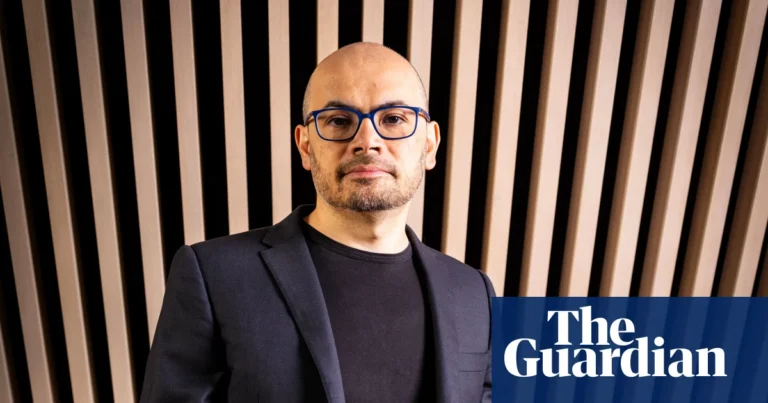
The atmosphere inside Google DeepMind’s London office turned electric this past Wednesday as employees learned that co founder and longtime leader Demis Hassabis is stepping down as CEO. While official communications framed the move as a transition to a chairman role designed to let Hassabis focus on long term strategy, the announcement triggered immediate shock among staff. The news arrived alongside reports that chief scientist Jeff Dean and several other heavyweight researchers were departing, sparking fears that the storied laboratory is undergoing a quiet but decisive dismantling of its independence.
Internal reactions have been deeply polarized, with many engineers viewing the shuffle as a calculated power grab by Google headquarters in Mountain View. Rather than appointing a successor to Hassabis in London, CEO Sundar Pichai tapped CTO Koray Kavukcuoglu to oversee daily operations. Because Kavukcuoglu operates from California, thousands of miles away from the lab’s roots, staff worry that DeepMind is being absorbed into the broader corporate machine. This perceived loss of identity comes at a time when veteran talent is already leaking toward competitors like Anthropic, suggesting a growing disconnect between the visionaries in London and the executives in Silicon Valley.
Beyond the organizational charts, these changes highlight a troubling period of stagnation for once dominant player. Insiders describe a culture strained by delayed product launches and simmering resentment over controversial defense contracts. Most glaringly, the company has struggled to maintain its pace against rivals like OpenAI, evidenced by multiple missed deadlines for its Gemini 3.5 Pro model. Engineers pointedly blame these setbacks on a failure to prioritize essential AI coding capabilities, leaving Google in an uncomfortable position of playing catch up for the second time in four years.
Whether this reorganization serves as a necessary correction or a fatal blow remains unclear. From a corporate standpoint, Mountain View likely lacks patience for further delays and seeks tighter control over its most valuable intellectual asset. However, forcing such a drastic shift during an intense global arms race carries immense risk. By prioritizing centralized management over the autonomous spirit that built DeepMind’s original successes, Google may find itself resolving its operational inefficiencies only after it has alienated the very brilliance it needs to win.